The 3 Back-to-School Organization Hubs That Keep Our Home Running

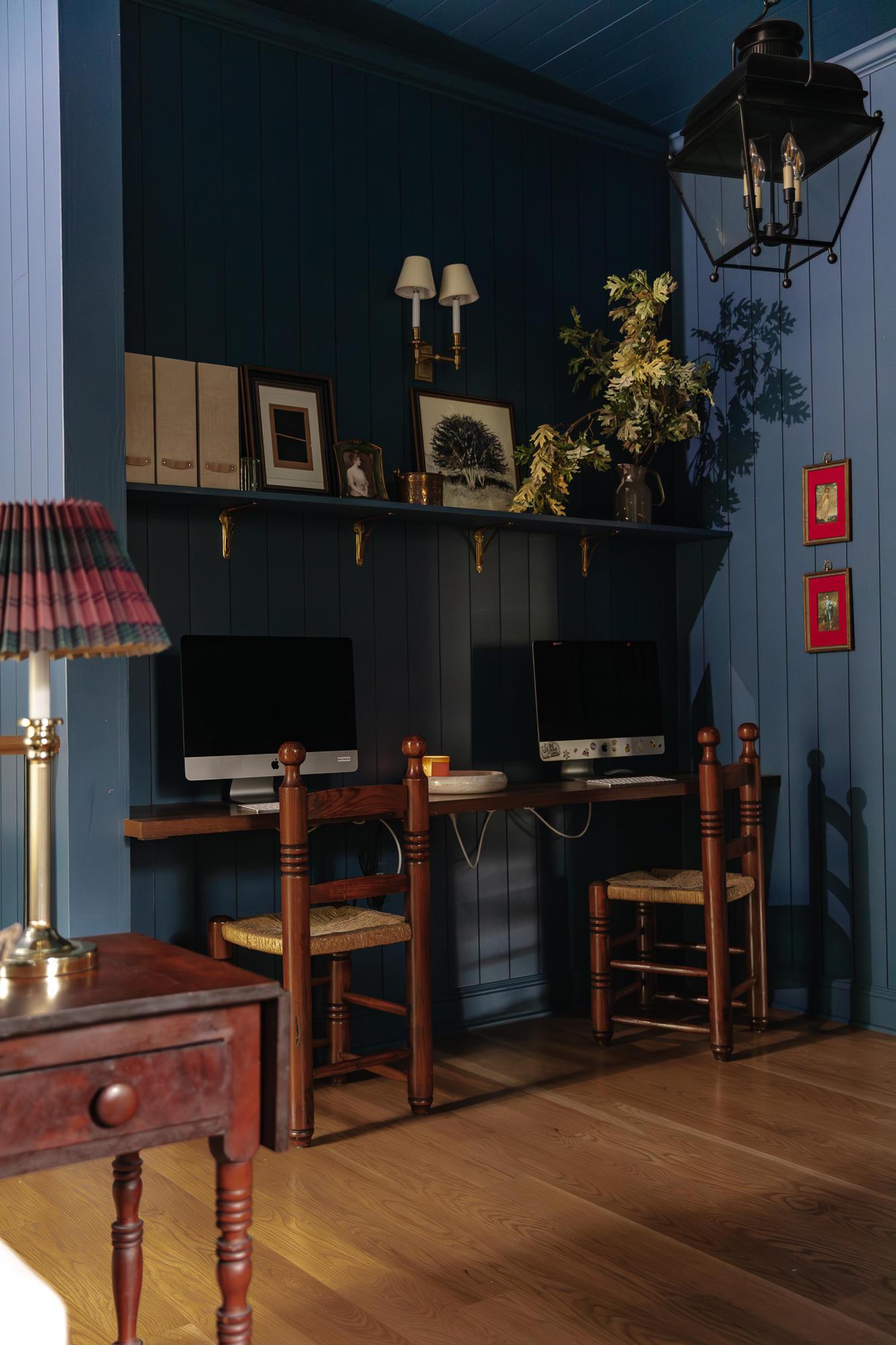
It’s hard to believe the school year is already just around the corner. We’ve spent so much of this summer at the lake house — slow mornings, late dinners, as many unhurried days on the water as we can gather before the renovation starts this fall. But now that we’re less than a month out from the first day, my attention is starting to shift. I’m not only shopping for the girls’ clothes and gathering school supplies, I’m thinking about the parts of the house that work the hardest for us during the busiest stretch of the year.
Once the school year is in full swing, the difference between a calm morning and a chaotic one usually comes down to whether everything has a place. Over the years, we’ve learned that a well-functioning home isn’t about having more space. It’s about having a few dedicated spots that each do one job well. We think of them as centers: the command center where the family’s schedule lives, the homework station where focused work happens, and the drop zone that catches everything on the way in the door. Here’s how we’ve set up each one, along with ideas for creating your own at any size or budget.
The Family Command Center
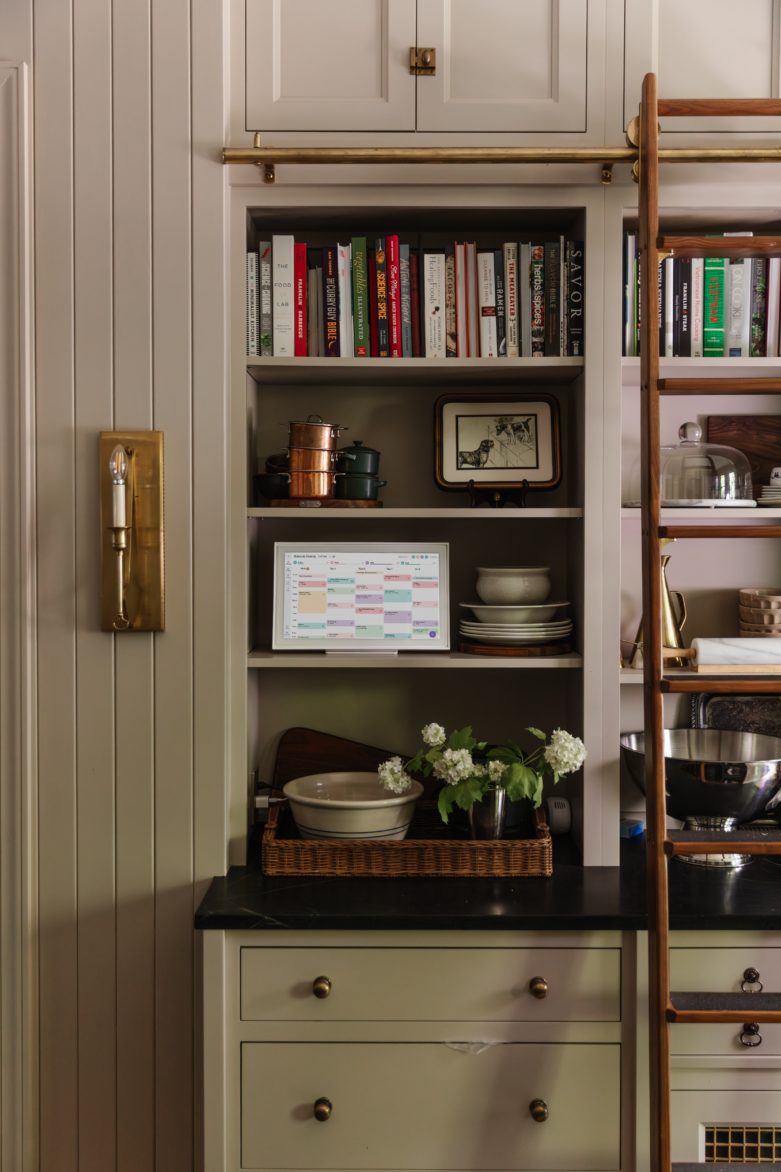
The command center is your family hub — where meals get planned, activities get scheduled, and the field trip forms finally get signed. The most important piece of this zone is a family calendar. Ours lives in the kitchen and anchors around our Skylight calendar. We already kept our schedules digitally, so migrating them over was simple. It’s what the girls check each morning to see the day’s activities along with their chores and reward system. If you’d like to see how we use it, you can read our full review of the Skylight calendar here.
If you’re someone who prefers to write things down, a paper appointment-style calendar or a reusable acrylic version works just as well. Whatever method you choose, this is the place where all family activities live and where every member of the household has access. It keeps everyone on the same page. Plus it keeps us parents from constantly reminding everyone what’s coming.
Beyond the calendar, this is a good spot for the small things that keep the week moving: a notepad for quick grocery lists or teacher notes, and a letter tray or file holder to corral the endless mail and school papers (why are there always so many?). I also keep our photo printer close by. Kids seem to always need a printed photo for a project, and I’d rather not hunt for it every time.
The Homework Station
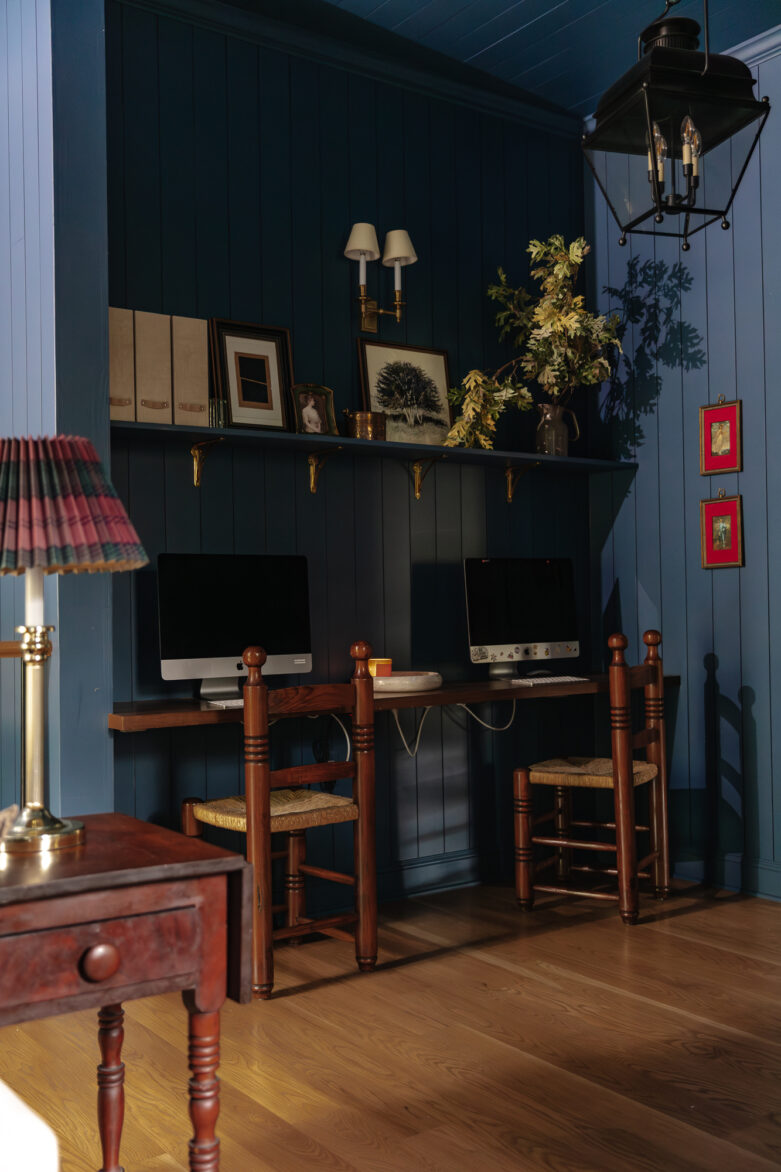
We built this floating desk into the bonus room specifically as a homework station for the girls. Beyond their laptops, we keep extra school supplies in the bins on the shelf above: pens, notebooks, chargers, all the odds and ends that otherwise migrate to every corner of the house. Some days they’d rather work in their rooms or at the kitchen island, and that’s fine. But it’s nice knowing there’s a dedicated spot when they need to settle in and get some focused work done.
A homework station doesn’t have to be built in, though. And it doesn’t have to be its own room. If you don’t have space for a dedicated nook, think a little differently about what a station can be. It might be a small desk tucked into a bedroom. Or a bin of supplies that lives near the kitchen table and gets pulled out at homework time. What matters isn’t the furniture — it’s that everything they need is within reach. If it does that, it’s doing its job.
One thing we’ve found worth getting right regardless of the setup: the lighting. A warm, dedicated task lamp makes a real difference for focus — easier on the eyes than overhead light alone. And it quietly signals that this is a spot for getting things done.
The Mudroom Lockers
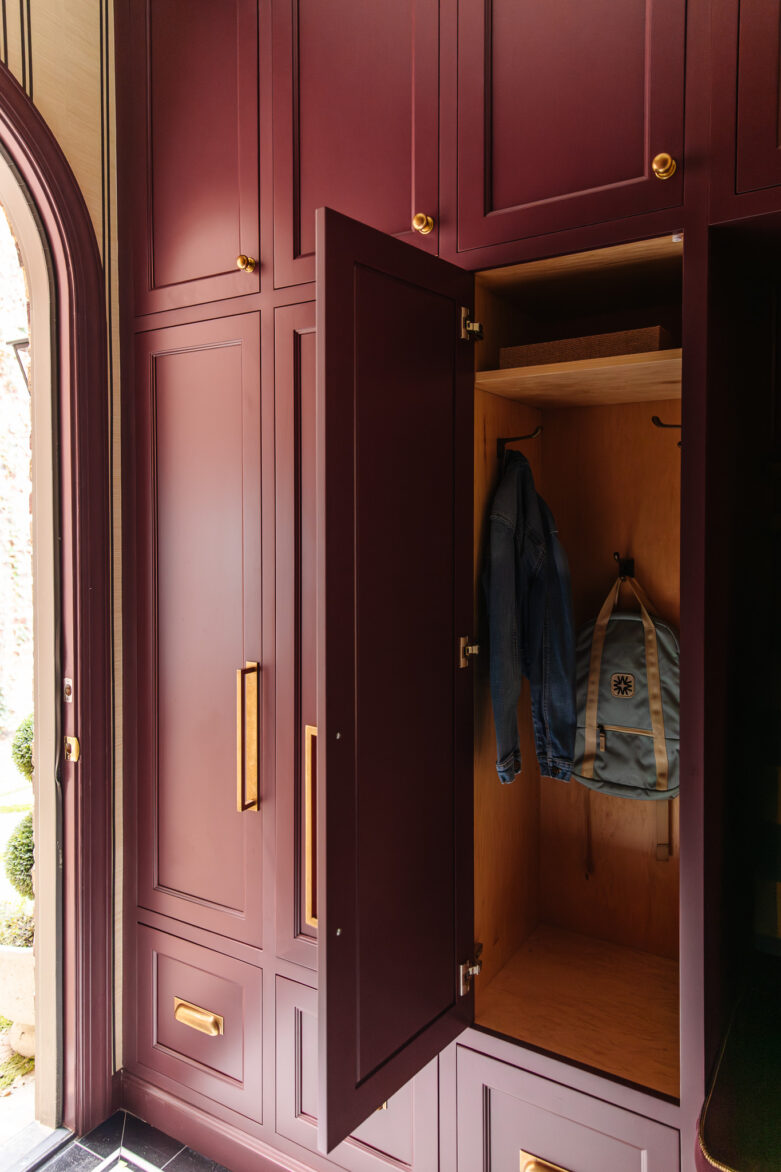
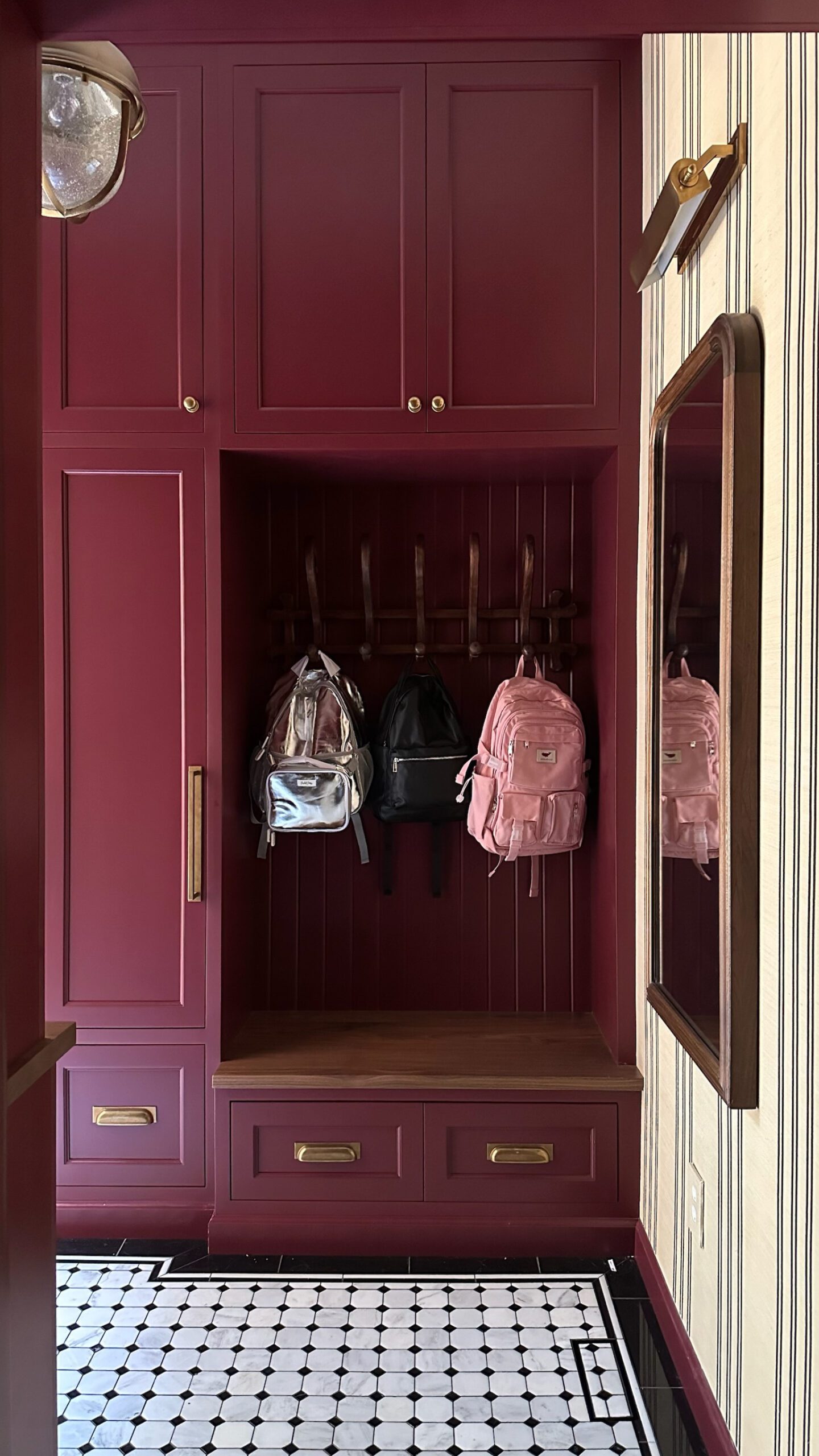
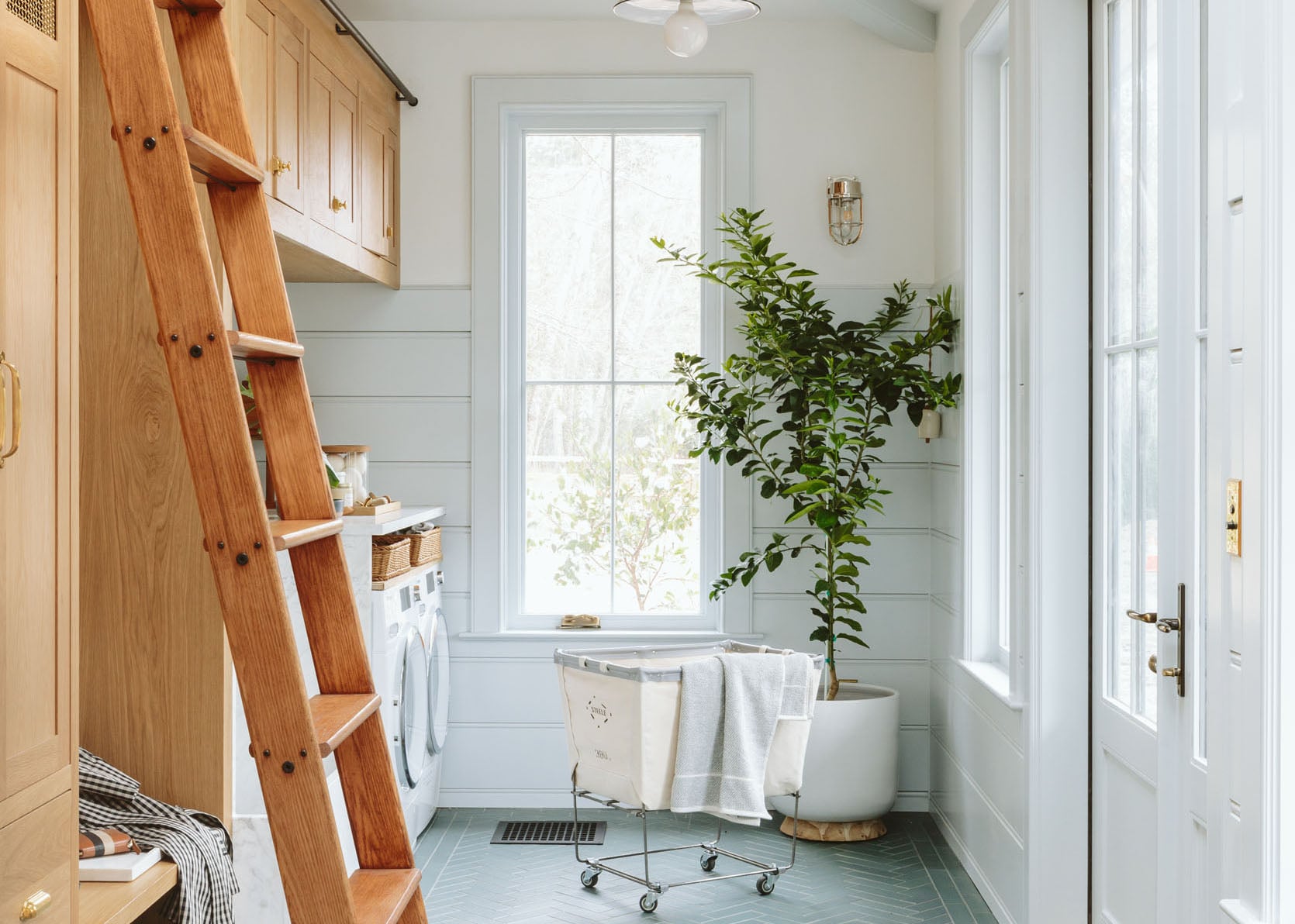
When we converted our old laundry room into a mudroom, I knew I wanted a locker for each of the girls. It’s the entrance we use most, which makes it the natural drop zone on the way in from school. Each locker has a drawer for shoes underneath, and we added hooks inside the cabinets for backpacks and jackets. Everything has a home, and it’s all within arm’s reach of the door.
Here’s a tip we’ve learned along the way: shoes (and even socks) don’t have to live in the bedroom. When those everyday things live right by the door, it saves us from the last-minute scramble of the girls racing back upstairs for shoes when we’re already trying to get out the door.
The good news is you can create a drop zone that works this way without a dedicated room. You might use a hall tree or pre-built lockers (we used these in the bonus room). Or it can be as simple as a hook rail on the wall for backpacks and a few baskets on the floor for shoes. Even a bench with hooks above it does the job (bonus points if it has hidden storage like this one). What matters isn’t the cabinetry. It’s giving the things you reach for every day a consistent place to land. That’s what makes an everyday routine sustainable. It’s the small piece of organization we notice most once school is back in session.
Related Posts